One benefit of being a procrastinator is, if I have an idea for the blog but news breaks Friday morning that makes me feel I have something to say, I can often switch gears.
I was blindsided by the emotions I felt when I learned that Anthony Bourdain had died by suicide. I don't leave a lot of space in my emotional life for celebrities and people I don't know, but Bourdain's work had meant something to me. His book Kitchen Confidential, remains one of the only mainstream places I've seen Portuguese food described so lovingly, and set as inspiration. His attitude on his shows seemed to make the world smaller, and he never shied away from telling the viewer what was going on in a country he was visiting. I just liked him, and I don't feel I need to justify it, really. He was enjoyable, he hung out with Iggy Pop, he was a loud, angry male voice in the #metoo movement.
It makes me sad that he felt suicide was a better option than living.
But if there is one thing celebrity suicide does, it is show you how the people around you view suicide. Two celebrity suicides in one week will inundate you with the opinions of everyone you know. I hate to see people angry at a person who has died by suicide. I'm choosing my words carefully. I'm not saying "killed themselves" or "committed suicide" because it elevates the role of the victim too much. Suicide occurs, most often, at the end of a long struggle with a debilitating illness. Suicidal depression and other mental illnesses are illnesses. Yes, it's horrible that Bourdain's daughter will grow up without him. But to say he is selfish, or that he didn't think of her is a strange take. Bourdain died at 61 years old. Kate Spade was 55. I don't know much about Kate Spade, but Bourdain had been open about struggles with heroin, self doubt, and other clear markers of depression for his entire career. To say it is selfish to finally lose the battle against an illness that has been with him since (at least) college is crass.
At worst - these ideas add to the stigma of suicide that makes it difficult, if not impossible, for those struggling to ask for help. If your mental illness is already telling you that you're a piece of shit, hearing people say that people who consider suicide are pieces of shit doesn't switch gears. If you believe that only selfish people who don't love their children complete suicide, you may tell yourself you can get through it on your own, because clearly you love your children. Often, with celebrity suicide, we discover that the unthinkable has happened in the middle of a tour, or a filming schedule. When the person has seemed productive and happy. Then, they are alone and they are gone.
Think about that.
People commit suicide for a lot of reasons, and not all of them are directly tied to mental illness. Almost all of them are tied to immense amounts of pain. If you wouldn't say what you're about to say about suicide to someone who's loved one died of cancer, think twice about saying it. What we need is a de-stigmatization of mental illness and specifically suicide, so people can seek help. What we need is to not panic any time someone says they have suicidal ideation, so they can talk about it without being judged or thrown into a hold.
The other thing we need to do, is look at the loved ones of people who have died by suicide and promise ourselves we will not state directly or imply that their parent/lover/friend/family member didn't love them. That we won't call this person they loved and are grieving selfish, or any other ugly term we reserve for people we don't like.
We need to think of the effect our words may have on those grieving (even if they may be grieving over a different person than the one you are talking about) and the effect our words have on those who are struggling with suicide.
Be kind.
Showing posts with label suicide. Show all posts
Friday, June 8, 2018
Wednesday, May 4, 2016
The Narrative and the Talisman
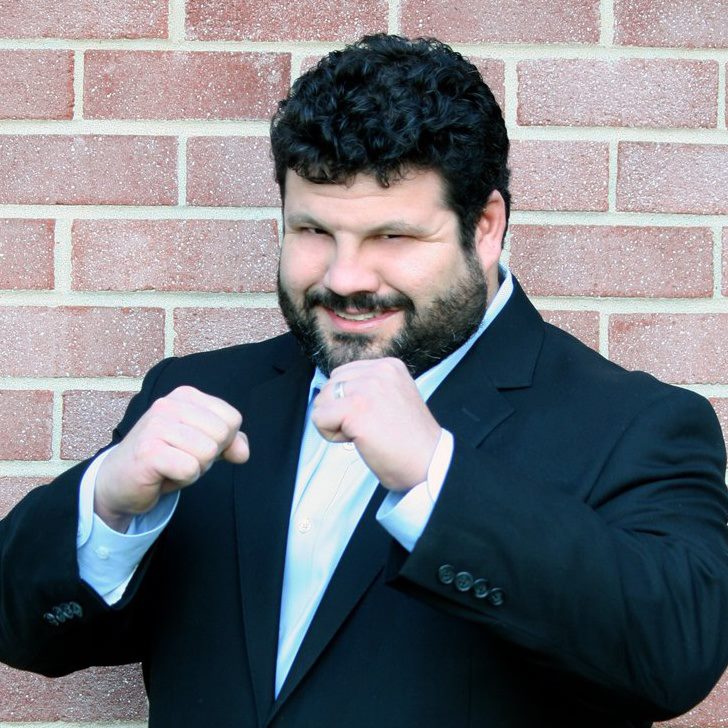
Guest Post by Thomas Pluck
Like America, I have a complicated relationship with guns. One of the first memories I have of my father is him shooting a Colt Junior automatic in the basement when I was six years old. The last memory was the call to tell me he’d committed suicide with a snub nose .38 revolver.
So when Eric Beetner asked me to contribute to a collection of crime stories without guns, I was eager to join. I own firearms but I don’t keep them in my house. They’re in my stepfather’s gun safe. I have been assaulted, but the last thing I would have wanted at the time was a gun. It was three on one. I left with a bloody nose and one of them with a wrenched neck. None of us died that day. But that’s just my experience. I wouldn’t force that opinion on anyone else. Ten years of boxing and grappling in a dojo where the teacher made us practice every move on him, someone who had been stabbed, shot, and fought bareknuckle in Burma, I feel much more comfortable in possibly dangerous situations than I ever did when I carried a gun.In stories, guns are instant tension. They appeal to our fears and desires for power. Chekhov’s “law” was that if you see a gun in the first act, it must go off in the third. Which has its own problems. Why can’t it be a red herring? What about Hitchcock’s adage about suspense? If a bomb goes off, it’s a surprise. If we know it is ticking under the table, that’s suspense. I’ve written stories where the gun doesn’t go off, and readers have told me how the suspense gnawed at them long after they stopped reading. But with no gun at all, you have to look elsewhere for that fix. For my Denny the Dent story, “The Final Encore of Moody Joe Shaw,” I chose different avenues of suspense. Is someone trying to kill the sweet old lady who’s hired Denny to clean up her mangled fence? She’s based on a woman I used to deliver groceries to in college. The real Mrs. Kolb worked for Houghton-Mifflin and loved books, so it’s fitting that now she’s in one. She didn’t have jazz records, but first editions of Hemingway and many others, and I wondered if someone pilfered her shelves when she died. I was out of state when it happened, and only learned of her death long after, but the mystery formed in my head, as they do.
The other source of suspense is the yearning that Denny’s friend Ike feels for connection, which for me, was the stronger. That sense of loss and what might have been comes from the death of my father, and that we never fully reconciled. He gave me the chance, when he had made his decision, but I was too young and headstrong to see it then. So I had a well to draw from.
I didn’t sell my guns or bury them in the ground when he killed himself. Guns are a tool, it’s our brains that are the problem. We mythologize them. The American hero is a lone killer with a gun. How many stories end with a man setting off to right things with his gun? It’s a narrative we’ve embraced, so that when our problems are too complicated to shoot our way out of, we shrug our shoulders and say “what ya gonna do?” There are few easy answers. We say we admire gumption, then why do we love stories where instead of hard work, the hero just kills everyone giving him static? Some of my favorite stories do this. It’s become The Narrative.
And who can change the Narrative? If stories matter, then we who write them hold some responsibility to change its course. Does the mere presence of a gun in a story inspire violence? I don’t think so. If it’s a magical talisman that solves all our problems and the stories end before the consequences of violence are explored, then perhaps it can. If the villain is simply “evil” and exists for the hero to kill with impunity, then maybe it does. My upcoming novel BAD BOY BOOGIE from Down & Out Books does not shy from the consequences. Jay Desmarteaux enjoys meting out vengeance, and those around him have used that to fire him like a hate-seeking missile at their enemies since he was a child. The scars from vengeance run deep, and an eye for an eye leaves everyone blind. And if you think “consequences” is “killing ten bad guys every novel in a ten book series just means the hero is a lonely whiskey aficionado,” I direct you to Lt. Dave Grossman’s excellent book on the subject, ON KILLING: THE PSYCHOLOGICAL COST OF LEARNING TO KILL IN WAR AND SOCIETY. There are people who can kill without being deeply affected; in the end, most are in prison or hold long-term careers in the military where their skills can be directed toward socially acceptable targets.
Does this mean we can’t enjoy a good action story? I hope not. I love reading them and I love writing them. But part of me is glad that the new action tale involves grown men in leotards flying around shooting lasers or webs out of their hands and moving battleships with their minds, where the villains are defeated and imprisoned rather than blown away. Maybe the kids growing up on these will see a different Narrative than those of us who were weaned on Rambo and Schwarzenegger mowing through a small city of stuntmen? Say what you want about the immaturity of superhero stories, but the part where the bad guy is never truly defeated, and sometimes we have to join forces with them, even though we have irreconcilable differences.That sounds a lot more adult than the story where one bullet solves all our problems.
***
Subscribe to:
Posts (Atom)